Why "Alaska" Can Be Typed on One Row of a QWERTY Keyboard
Typists can spell Alaska entirely on the middle tier of a standard QWERTY keyboard due to 19th-century mechanical designs meant to prevent typewriter jams.
Keyboard historians analyze physical heritage because it clarifies why contemporary word processing feels familiar. Home level contains frequent vowels, consonants English vocabulary. Spelling letters A, L, S, K demands fingers never stretch upward toward number tier, downward.
Users test input performance checking words fitting entirely onto horizontal strip letter pads. First vowel sits on far left beneath pinky digit. Final consonant rests on right side under ring finger.
Why "Alaska" Can Be Typed on One Row of a QWERTY Keyboard
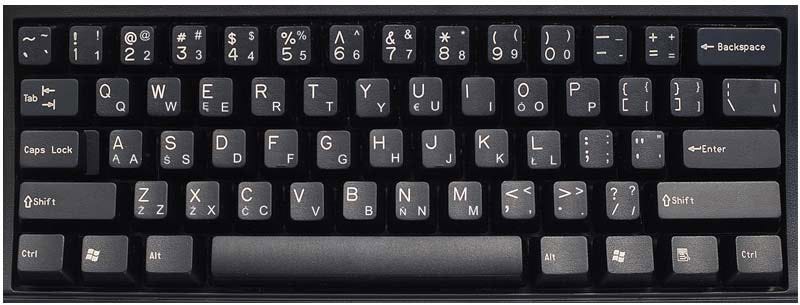
Fingers stay flat while spelling largest territory by space in nation. Writing place name like Alaska demands zero vertical movement from hands. Typing tests utilize quirk display physical layout anomalies.
Pattern persists across billions modern gadgets because altering muscle memory remains impossible global staff. Office equipment makers adopted pattern satisfy early telegraph operators requiring transcription Morse code rapidly.
Employees hated jammed arms more than they prioritized ergonomic efficiency. Fingers fly across middle tier without vertical travel during operation. Staff rarely notice spatial coincidence during daily correspondence.
Physical arrangement stays identical on smartphones, laptops, desktop terminals. Every standard board produced today preserves exact spacing creating single-row typing oddities. Typists spell state Alaska striking letter pads resting upon identical middle strip any standard English computer device.
Readers studying Alaska keyboard layout often explore similar mechanical quirks across rest historical typing equipment archives.
- A sits on home row under left pinky.
- S stays on home row beneath left ring finger.
- K occupies home row near right middle finger.
Typing name America's largest state requires no finger movement between top, bottom rows standard QWERTY keyboard. Every single letter found in word sits entirely on upper row letter keys. Layout quirk stems from deliberate engineering early typing machines rather than any geographical coincidence.
Users find mechanical quirk during routine keyboard checks. Keyboard historians point out that arrangement prevents mechanical jams separating common letter pairs. Designers placed frequently used vowels, consonants on opposite sides top deck slow down fast typists.
Over century later, legacy hardware design creates unexpected typing anomalies. Modern digital tools inherit physical constraints without changes. Users staring down at standard office keyboard notice something strange when spelling out northern state.
No reaching down is required.
- A sits under left ring finger position.
- L rests beneath right ring finger.
- K is located under right middle finger.
Standard keyboard layouts divide alphabet into three distinct tiers letter keys. Shorter place names often reveal structural patterns built into hardware. Typing tests show how finger travel drops significantly top-row words.
| State Name | Row Used | Key Count |
|---|---|---|
| Alaska | Top row only | 6 |
| Ohio | Top and middle | 4 |
| Texas | Middle and bottom | 5 |
Christopher Latham Sholes patented design keep mechanical arms from tangling inside early typing devices. Alphabetical order proved too fast primitive springs inside casing.
Engineers rearranged keys separate common letter combinations. Upper row ended up with high concentration vowels, common consonants. Modern touch-typists rarely think physical machinery beneath their fingertips.