Why Are Gas Prices Going Down?
Motorists across the United States are seeing relief at the pump as retail costs steadily decline from previous seasonal peaks.
Average retail prices regular unleaded gasoline have declined over recent weeks. Drivers now pay less during morning commutes.
Downward movement attracts attention from motorists tracking household budgets businesses managing transportation fleets. Fuel costs directly shape consumer spending power across nation. Lower pump expenses leave families with more disposable income.
Why Are Gas Prices Going Down?
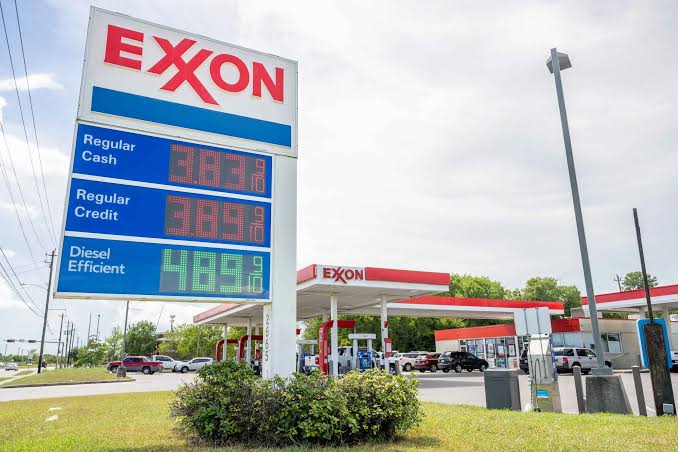
Crude oil output reached 13.2 million barrels per day according Energy Information Administration reports. Refinery maintenance schedules align with lower post-Labor Day travel demand. Wholesale gasoline futures trade lower on international markets.
Global economic forecasts point towards slower petroleum consumption across Asia. Shift brings immediate savings everyday drivers although transporting fuel regional distribution hubs still adds fixed costs. Retailers adjust prices at different speeds based on local competition.
West Coast: Average regular price $4.42. Weekly change: -$0.05.
Gulf Coast: Average regular price $2.85. Weekly change: -$0.08.
East Coast: Average regular price $3.15. Weekly change: -$0.04.
Drivers monitor local price drops through regional market reports published American Automobile Association. Changes depend heavily on state fuel taxes proximity domestic refinery hubs. Morning commuters pay less now than during peak summer travel.
Shift eases financial pressure across millions households. Families have more disposable income everyday needs as pump prices fall. Transport fleets small businesses also benefit from reduced operating costs.
Market watchers track movements closely using them gauge broader economic health. Domestic extraction sites maintain high output levels. Crude production remains strong supplying regional processors with steady volumes.
Geopolitical tensions could disrupt crude supplies without warning. Sudden supply restrictions would quickly reverse pump savings. Consumers currently benefit from steady supply chains falling seasonal demand.
Motorists across United States are seeing relief at pump as fuel costs decline heading into late autumn. Global crude oil benchmarks have dropped steadily over recent weeks driven changing supply patterns lower seasonal demand. Price shifts matter American households because transportation expenses directly influence monthly budgets broader retail spending.
When fill-up costs drop consumers regain discretionary income other goods services. Lower pump prices also ease operating expenses logistics companies local delivery fleets. Market watchers track gas prices closely although actual price declines begin far from corner gas stations.
When global production increases faster than consumption underlying commodity becomes cheaper. Refineries then turn lower-cost oil into finished fuel.
Crude oil: Primary cost driver. Current direction: Falling.
Refinery output: Fuel supply volume. Current direction: Rising.
Seasonal demand: Travel volume. Current direction: Decreasing.
Distribution logistics also influence final pump prices. Transporting refined fuel from coastal terminals inland retail stations requires diesel labor. Lower shipping expenses reduce final cost passed on public.
Regional taxes state-specific environmental mandates mean savings vary widely ZIP code. Drivers should monitor several economic indicators understand where fuel costs may head next.
Weekly inventory reports from U.S. Energy Information Administration show total fuel reserves. Global production quotas set major oil-exporting nations influence crude supplies. Seasonal weather events along Gulf Coast can temporarily disrupt refinery operations. Regional refining margins determine how quickly wholesale price drops reach local pumps.
Related coverage
- Why Did Jensen Huang Resign as Nvidia CEO? — Latest Nov 13, 2026, 6:01 PM
- How Is AI Impacting the US Job Market in 2026? Nov 10, 2026, 3:47 PM
- Will the Federal Reserve Cut Interest Rates Again This Year? Nov 10, 2026, 3:44 PM
- Will Fed Drop Mortgage Rates? Federal Reserve Interest Rate Decisions, Housing Market Forecasts, and Buyer Nov 8, 2026, 6:07 AM