Why Is Airline Food So Bland on Long Flights?
Cabin pressure, dry air and altitude significantly alter human taste perception during flights, leaving airline meals tasting flat and lifeless.
Meals prepared hours before departure can also lose texture freshness during storage reheating.
Passengers frequently notice differences between food served on ground meals consumed at cruising altitude. Environmental conditions inside aircraft influence smell taste overall dining experience.
Why Is Airline Food So Bland on Long Flights?
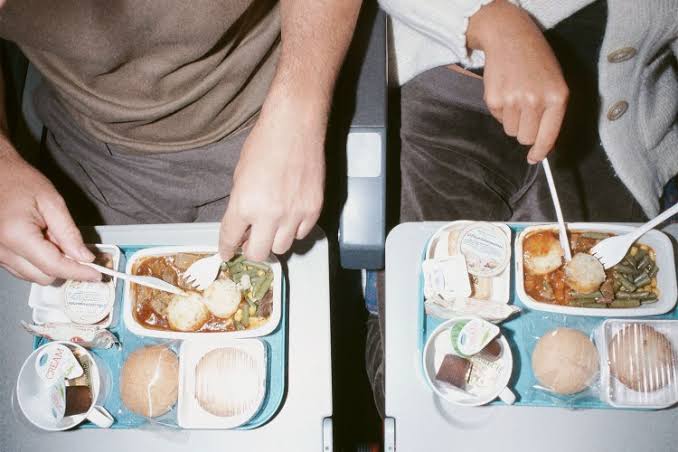
Cabin humidity frequently falls below 12 percent during long flights. Dry air affects nasal passages reducing ability detect food aromas.
Smell plays essential role in flavor perception. Reduced aroma sensitivity makes familiar dishes seem less flavorful during flights.
Research suggests perception sweetness saltiness can decrease under simulated cabin conditions. Individual responses vary depending on environmental factors.
Continuous engine noise may also influence taste perception. Studies indicate loud background noise can reduce perceived sweetness while changing sensitivity toward savory flavors.
Airline catering presents additional challenges. Large industrial kitchens prepare hundreds or thousands meals before scheduled departures.
Prepared dishes undergo rapid chilling refrigerated transport storage inside aircraft. Flight attendants reheat meals using compact galley ovens.
Repeated temperature changes can affect moisture texture flavor. Chicken may become dry sauces can thicken vegetables may soften during reheating.
Limited galley space prevents extensive cooking during flights. Airlines depend on standardized recipes capable surviving transportation refrigeration reheating.
Budget restrictions also influence meal quality ingredient selection portion sizes. Economy-class catering often operates under strict cost limitations.
Airline chefs sometimes use stronger herbs spices savory ingredients compensate reduced flavor perception. Tomatoes mushrooms provide natural umami characteristics.
Extra seasoning can improve perceived flavor although increased sodium is not always necessary. Balanced recipes remain important passenger preferences.
Long delays may create additional challenges meal timing storage presentation. Proper temperature control remains essential food safety.