
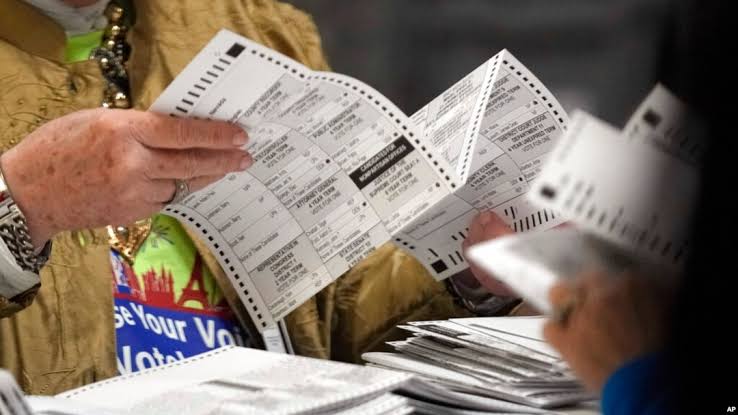
Tabulation requires days, weeks because American elections rely on decentralized administration, varying state rules, strict security checks. Thousands municipal offices manage voting locally instead through unified federal structures. Voters often feel annoyed when election night arrives without final tallies.
Tight contests prevent projections until eligible papers undergo processing. Precinct workers value correctness over speed. Personnel must route every paper through secure chains, verification routines.
Why Does Texas Tech Keep a Tire on the Sideline?
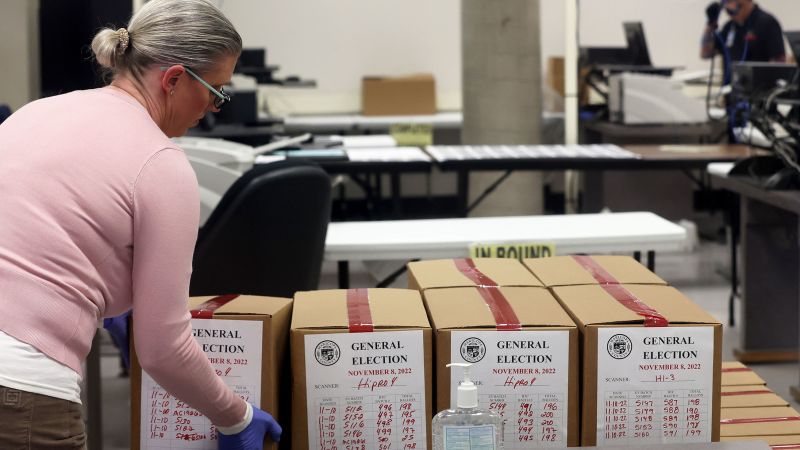
Disparity causes gridlock when millions postal votes arrive together. Postal votes demand signature checks against registration rolls. Provisional items need reviews verifying registration status, preventing duplicate voting.
Hand audits confirm machine totals before certification. Military dispatches legally gain grace periods mail delivery. Boards depend on temporary staff working exhausting shifts past midnight.
Sorting paper hand demands deep focus. Securing ballots is heavy work. Upgrades cost funds.
Small rural districts utilize older tabulators processing fewer items hourly than urban optical scanners. Wait election results often frustrates voters watching evening news. Staff members sit in quiet rooms across country sorting papers hand.
First reaction from stands is always impatience. Hauling gear road games is its own weight, moving heavy stacks paper taxes tired hands long after midnight. Staff check signatures, track papers through secure chains.
- Municipal offices receive postal, in-person items locally.
- Temporary staff verify signatures against voter registration rolls.
Wait results frustrates people watching evening broadcasts from home. Personnel work past midnight under bright lights clear backlogs. Supervisors track every box through locked doors, log sheets.
Local volunteers keep watch during every step audit. Auditors review machine tallies against manual counts ensure accuracy. Checks prevent errors from reaching final state certification.
States set specific deadlines completing work. Counties must finish their reviews before state certifies outcome. American elections rarely offer instant tally on election night because United States relies on decentralized voting system managed thousands independent local jurisdictions.
Unlike countries with single national electoral authority, each 50 states establishes its own laws governing how ballots are cast, processed, counted. Fragmented framework means local election workers in rural counties, major metropolitan areas operate under entirely different statutory rules. Voters often expect television networks declare winner before midnight, but administrative reality verifying every single ballot requires careful, deliberate physical handling.
State laws dictate specific security protocols, signature verification procedures, mandatory waiting periods before processing can even begin. Election workers across country manage massive influx ballots arriving through various channels, each requiring distinct administrative steps. Mail-in voting has expanded dramatically in recent cycles, introducing physical security measures that take days complete.
Every mail envelope must be sorted, inspected proper signatures, extracted from secrecy sleeves before paper ballot can be fed into scanner. Processing votes safely involves several distinct administrative stages handled bipartisan teams local workers.
- Election officials receive mail-in, absentee envelopes from drop boxes, postal facilities.
- Workers separate valid ballots from their envelopes maintain anonymous voting.
- Tabulation machines scan paper ballots record official tallies.
State legislatures set varying schedules when steps can legally start. Some states permit election boards process mail-in ballots weeks before election day, while others forbid touching them until polls close. State that bans early processing will inevitably post results slower than one that allows workers tackle paperwork in advance.
Provisional ballots also add days final count because they require individual eligibility research. Election boards must confirm that person who cast provisional ballot was properly registered, did not vote twice elsewhere. Research often happens during legally mandated canvassing period that stretches week, more after election day.
| State Processing Rule | Impact on Election Night Results | Typical Certification Window |
|---|---|---|
| Early processing allowed | Faster unofficial tallies | 7 to 10 days |
| Processing starts election day | Delayed tallies in close races | 14 days |
| Processing starts after polls close | Multi-day counting required | Up to 30 days |
Close margins amplify time required declare official outcome. When contest is decided razor-thin percentage total vote, election administrators cannot risk releasing unverified numbers that might require statewide recount. Checks, balances built into system prioritize accuracy over speed.
Local election offices often face severe staffing shortages, rely heavily on temporary, volunteer workers who must be trained on complex tabulation equipment. Hauling heavy voting machines from remote precincts central county headquarters takes hours on election night. Every step chain custody is monitored, documented preserve public trust in final outcome.







Comments 0
No comments yet. Start the conversation.