
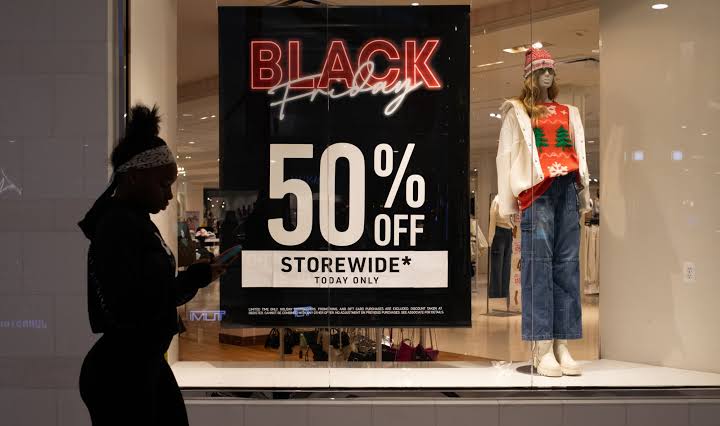
Retailers offer significant discounts attract large crowds launch holiday promotions. Despite its commercial popularity nickname originated from very different situation.
Historical accounts connect Black Friday with traffic congestion exhausted police officers crowded streets in Philadelphia. Retailers later promoted more positive explanation involving business profits traditional accounting practices.
Why Is Black Friday Called Black Friday?
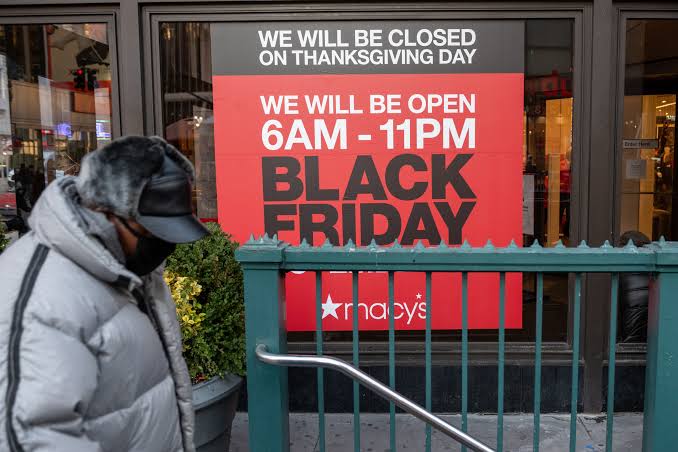
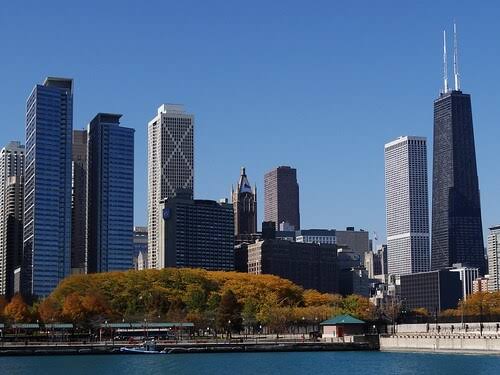
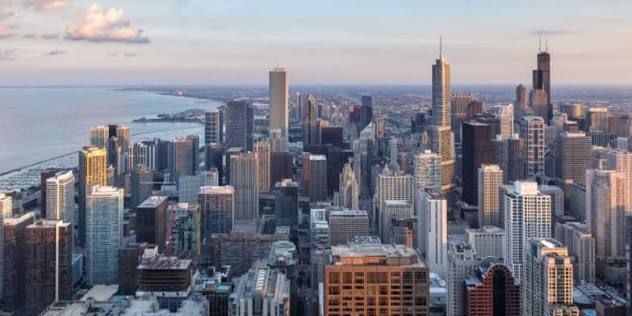
Thousands suburban shoppers traveled into Philadelphia during holiday weekend. Football fans arriving annual Army-Navy game added further congestion.
Police officers faced long working hours traffic gridlock crowded shopping districts. Negative experiences helped establish Black Friday as description difficult conditions.
Local merchants initially disliked gloomy nickname. Some attempted promoting alternative name Big Friday hoping create more positive public image.
Those efforts failed replace established expression. Black Friday continued appearing in local conversations newspaper coverage commercial discussions.
During 1980s retailers increasingly promoted different explanation. According popular marketing story businesses moved from financial losses into profitability during holiday shopping season.
Traditional accounting practices used red ink losses black ink profits. Retailers linked strong holiday sales with transition from red figures into black figures.
This accounting interpretation became familiar across United States. However historical evidence indicates Philadelphia traffic-related usage appeared earlier than widespread retail profit explanation.
Black Friday was therefore not originally named because every store became profitable after Thanksgiving. Actual business results vary according expenses revenue broader economic conditions.
Historical references also reveal earlier uses Black Friday unrelated negative events. Expression itself existed long before modern holiday shopping traditions.
Philadelphia's post-Thanksgiving meaning eventually spread nationally. Large retail chains embraced familiar nickname introduced promotional campaigns expanded discount periods.
Shoppers began arriving before sunrise waiting outside stores limited-time offers. Electronics clothing household products became popular categories during annual sales.
Growing demand encouraged retailers prepare inventory staffing advertising months ahead. Holiday shopping developed into important period American consumer spending.
Online retail later changed established traditions. Consumers gained opportunities compare prices order discounted products without visiting crowded shopping centers.
Cyber Monday extended holiday promotions into following week. Many retailers now offer Black Friday deals throughout November rather than restricting discounts one day.
Physical stores continue attracting customers seeking immediate purchases special offers traditional shopping experiences. Online promotions provide additional convenience.
Retail workers often experience demanding shifts during holiday sales. Heavy customer traffic extended opening hours inventory management create operational pressures.
Shoppers comparing prices before purchasing remains important. Advertised discounts do not always guarantee lowest available prices.


Comments 0
No comments yet. Start the conversation.